Buying land near Sedalia can feel like stepping into a different playbook. The views and space are real, but so are the rules around water, septic, access, and animal use. If you plan ahead, you can avoid costly surprises and buy with confidence.
In this guide, you’ll learn how Sedalia’s county zoning and overlays work, what to verify on wells and septic, how to confirm access and utilities, and which specialists to bring in. You’ll also get a prioritized checklist and a simple decisions flow to keep you on track. Let’s dive in.
Sedalia basics: zoning and overlays
Sedalia is in unincorporated Douglas County, so the County’s zoning resolution and overlay maps control what you can build and how you can use the land. Start by confirming the parcel’s exact zoning district and any overlays that apply. Use the County’s zoning pages and request a zoning confirmation from a planner before you write an offer. You can explore current guidance on the County’s zoning and development pages to locate the district and overlays for a specific parcel.
- Start here: confirm zoning and overlays using the County’s zoning resources and interactive maps. Review any site-specific conditions that might add steps to your project. Visit the County’s page on zoning and overlays for process details and contacts. Douglas County zoning and overlays
- Common overlays in the Sedalia area: Wildfire Hazard Overlay, Water Supply Overlay, Floodplain Overlay, and Interim Water & Sanitation overlays. These may require extra submittals or site work such as defensible space or water-availability proof.
Water and wastewater: the key deal breakers
Water supply and septic suitability make or break most rural purchases. Plan to verify these items early, then build your timelines around them.
District water vs private wells
Some parcels near the Sedalia town core are inside a water or sewer district, but many acreage properties are not. If a listing claims district service, always request a current “will-serve” letter to confirm capacity. If the parcel is outside a district, expect to rely on a private well and on-site wastewater (septic). The County’s water resources page can help you identify likely providers and service areas. Who is your water provider
Well permits and Denver Basin rules
Wells in Douglas County are permitted by the State Engineer (Colorado Division of Water Resources). The County outlines the distinction between exempt domestic wells and non-exempt wells. That legal status affects your allowed uses and annual volume. Ask the seller for the well permit number, the original well log, and any recent pump test results. Learn more about permits and Denver Basin considerations via the County’s well guidance. State Engineer and well info
Building permit trigger: proof of water
Before the County issues a building permit, you must prove an adequate water source. For wells, Douglas County requires a licensed professional to document at least 1 gallon per minute. If a well produces less than 1 gpm, the County may require a cistern as part of the solution. If you expect district service, submit a current “will-serve” letter. Review the County’s building page for thresholds and submittal details. Residential building and water proof
Septic (OWTS) permits and soils
If there is no sewer district, Douglas County Health permits On-Site Wastewater Treatment Systems (OWTS). Ask for the septic permit, maintenance history, and any past repairs. If the parcel lacks a recorded permit or has shallow or rocky soils, budget for soils testing and possibly an engineered system. County guidance explains when an engineer is required and which tests are needed. Septic systems and permits
Surface water and ditch rights
If the listing mentions ditch shares, surface irrigation, or stock water, treat those as separate, recordable rights. Confirm the rights in the title work and check with the appropriate authorities before you rely on them for irrigation or livestock.
Access, private roads, and utilities
Rural access is more than a driveway. Confirm that the parcel has legal, insurable access and that any new or modified driveway connection to a county road can meet County standards. If you plan construction, you may need a temporary or permanent access permit. The County’s roadway access guidance outlines standards for width, slope, culverts, and reseeding. County access requirements
- Verify recorded access easements on title and the plat.
- Ask who maintains the road, gate, and culverts. Private roads and shared drives are often maintained by owners, HOAs, or metro districts.
- Check utility availability: electric, gas or propane, and telecom. For water or sewer districts, rely on written will-serve letters.
Topography, soils, and natural hazards
Sedalia’s foothills and valleys include areas with shallow bedrock and variable soils. That can raise costs for excavation, foundations, and septic systems. A soils test and, in some cases, a geotechnical review will help you price site work realistically.
Floodplains are another critical check. Plum Creek and its tributaries have mapped flood hazards and riparian corridors. If any part of the parcel touches a floodplain, plan on extra documentation such as elevation certificates or flood insurance. Check FEMA’s Flood Map Service Center for panels and products. FEMA flood maps
Equestrian and ranch-use rules
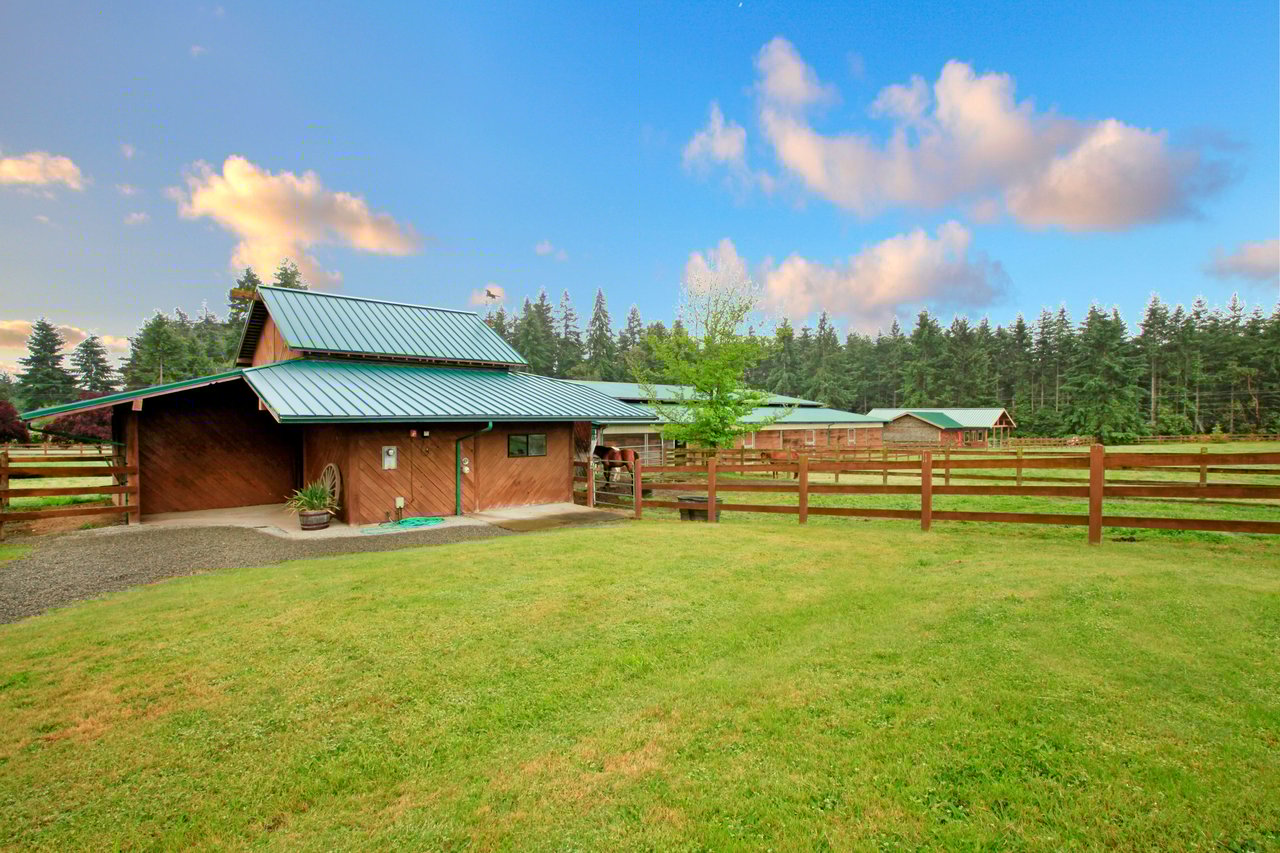
If you plan to keep horses, board animals, or operate ranch-related uses, match your plans to the property’s zoning and the County’s animal-unit rules. Douglas County regulates animal density by zone and lot size. Setbacks, manure management, and vegetation standards apply and can impact where you place barns, corrals, and arenas. Review the County’s animal regulations and confirm counts and setbacks with a planner before you close. Douglas County animal regulations
- Animal counts and density vary by zoning district and acreage.
- Manure must be handled to protect groundwater and avoid nuisances.
- Devegetated areas such as arenas and corrals count toward limits.
- Fencing should account for wildlife movement and livestock safety.
Your due diligence checklist
Use this checklist to keep your offer and inspection timelines on track. Prioritize water, septic, access, and title items first.
- Title and boundaries
- Current deed, legal description, and all recorded easements.
- Preliminary title commitment with exceptions noted.
- Order an ALTA/NSPS survey as a contract condition if one is not recent.
- Zoning and overlays
- Written zoning confirmation from Douglas County Planning.
- Printouts of any overlays that apply: wildfire, water supply, floodplain.
- Water and wastewater
- If district-served: a current water/wastewater will-serve letter.
- If well-served: DWR well permit number, original well log, and a licensed pump test.
- Septic: OWTS permit, soils report, and maintenance history.
- Access and utilities
- Recorded road and driveway easements.
- Maintenance agreements for private roads and gates.
- County access permit status and any required driveway upgrades.
- Utility availability: electric, gas/propane, and telecom.
- Site conditions
- Soils testing and proposed septic area test pits.
- Topographic survey for building envelope and driveway grading.
- Floodplain check and, if applicable, steps for elevation certificates.
Quick decisions flow
- No district water? → Order a licensed well test and confirm permit.
- Well < 1 gpm or unclear legal status? → Ask for alternatives such as a cistern requirement or walk away.
- No septic permit on record or rocky/shallow soils? → Order soils testing early. If engineered system costs are high, renegotiate or exit.
- No legal, insurable access? → Require recorded easements and County-permittable driveway plans before proceeding.
- Equestrian plans unclear? → Confirm animal units and setbacks with the County. If counts are too low, consider a different parcel.
Key questions to ask early
- Is the parcel inside a water or sewer district? If yes, can you provide a current will-serve letter and the last bill?
- If served by a well, what is the State Engineer permit number, drill date, and most recent pump test in gallons per minute? Any recent repairs?
- If served by septic, can you share the OWTS permit, soils report, last pump date, and any replacement history?
- Who maintains the road, driveway, and culverts, and are there recorded maintenance agreements or assessments?
- What zoning district and overlays apply today? Any past variances, special reviews, or pending County actions?
- Which fire protection district serves the property and are there current mitigation requirements?
Ongoing ownership costs to budget
- Septic: routine inspections and pump-outs, and a reserve for repairs or an engineered replacement if soils are limiting.
- Wells: pump replacement, periodic water-quality testing, and a contingency for future yield decline or deeper drilling.
- Roads and driveways: resurfacing, culvert replacement, snow removal, and gate upkeep. Shared roads may include annual assessments.
- Fencing and pasture: ongoing fence repair and vegetation management. Wildlife-friendly designs may cost more upfront.
- Wildfire mitigation: creating and maintaining defensible space, fuel breaks, and safe access for apparatus if you are in a wildfire-prone area.
Local resources
- USGS study on Denver Basin groundwater trends and water-level changes in Douglas County. Helpful background for long-term well planning. USGS Denver Basin study
Ready to evaluate a specific Sedalia parcel or ranch plan? A well-sequenced due diligence plan will save you time and money. If you want a local, acreage-savvy partner to coordinate surveys, well and septic verification, and County conversations, reach out to Courtney Nelson for expert buyer representation.
FAQs
What should I check first when buying land in Sedalia?
- Confirm the parcel’s zoning district and any overlays through Douglas County, then verify water source, septic feasibility, legal access, and recorded easements.
How do I confirm whether a Sedalia parcel has district water or sewer?
- Ask for a current will-serve letter from the provider and use the County’s water resources page to identify likely service areas.
What well documentation should I request from a seller?
- Get the State Engineer well permit number, the original well log, a current licensed pump test, and any repair records or past test data.
What does Douglas County require for building if I have a well?
- You must demonstrate an adequate water supply. A licensed professional must verify at least 1 gallon per minute or the County may require a cistern.
Can I board horses on a Sedalia acreage property?
- It depends on zoning, lot size, and animal-unit limits. Review Douglas County’s animal regulations for counts, setbacks, and manure management rules.