If you are deciding between luxury living in Denver and the southern suburbs, the real question is not which is "better." It is which lifestyle fits the way you want to live every day. Some buyers want walkable streets, dining, and polished urban energy, while others want more space, trail access, and a quieter residential setting. This guide will help you compare both paths so you can make a smart, confident move. Let’s dive in.
Denver Luxury vs Southern Suburbs
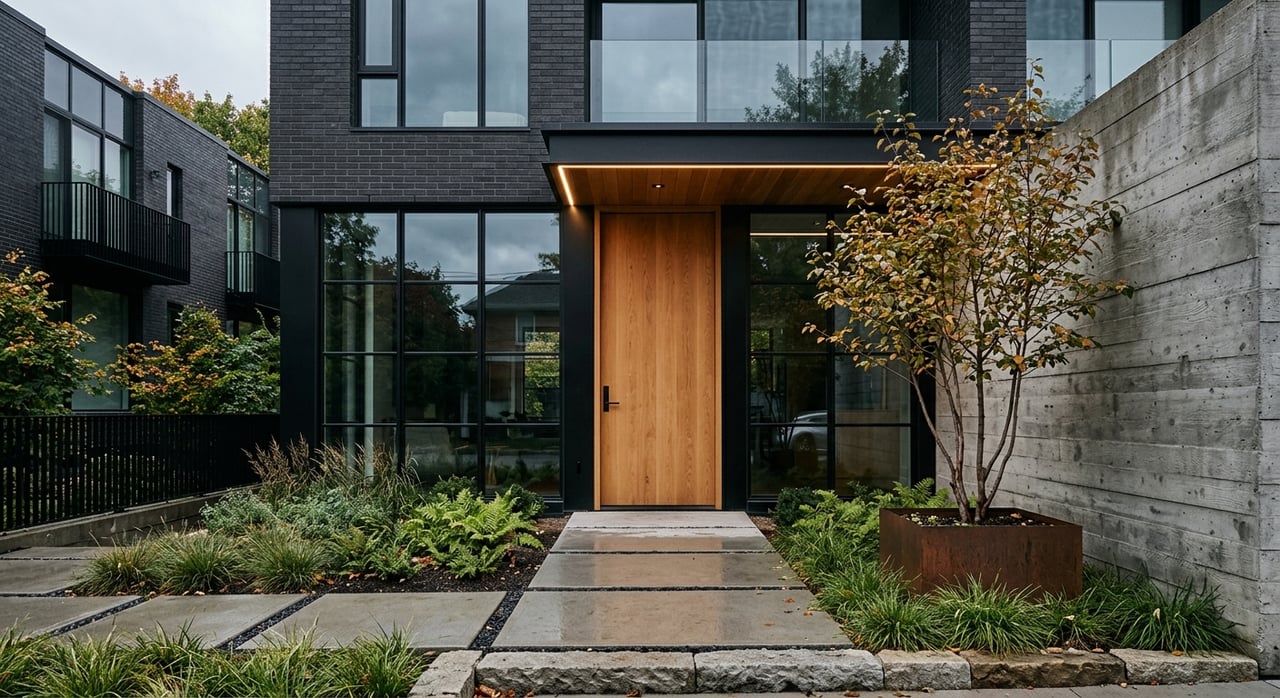
Luxury in the Denver area comes in different forms. In central Denver, luxury often means access, design, and an urban lifestyle close to shopping, restaurants, and cultural destinations. In the southern suburbs and foothills, luxury often means room to spread out, open space, and a stronger connection to outdoor recreation.
That difference matters because your day-to-day experience can look very different depending on where you buy. The right choice depends on whether you value a more connected city rhythm or a more residential, nature-oriented one.
What Luxury Looks Like in Denver
In Denver proper, luxury often centers on convenience and a polished in-city lifestyle. Citywide, the median owner-occupied home value is $616,000, and the mean commute time is 24.9 minutes, according to U.S. Census QuickFacts for Denver.
Those citywide numbers are not luxury-only pricing benchmarks, but they do offer useful context. In practical terms, Denver appeals to buyers who want to be closer to everyday dining, retail, and entertainment, along with a broader mix of housing types.
Cherry Creek: Denver’s Urban Luxury Anchor
Cherry Creek stands out as one of Denver’s clearest luxury hubs. According to Visit Denver’s Cherry Creek guide, the neighborhood is just five minutes from downtown, and Cherry Creek North plus Cherry Creek Shopping Center offer more than 300 stores, 75 cafes and restaurants, 50 spas and salons, and five hotels.
That concentration of amenities supports a lifestyle built around convenience and walkability. The city also uses a Cherry Creek North Design Advisory Board to help protect the area’s architectural quality and public-realm character, which adds to the neighborhood’s established luxury identity.
Washington Park: Prestige with Neighborhood Scale
If you want a refined Denver address with a more residential feel, Washington Park offers a different take on city luxury. Visit Denver’s Washington Park guide highlights two lakes, two formal flower gardens, and tree-lined paths, while the Washington Park Boathouse page notes the park is listed on both the National Register of Historic Places and the Colorado State Register of Historic Properties.
Nearby South Gaylord Street adds another layer of character, with shops and restaurants in converted late-19th-century houses. For many buyers, that creates a compelling blend of outdoor space, architectural interest, and access to city amenities.
Denver Offers More Housing Variety
Another advantage of central Denver is housing diversity. The city’s planning language recognizes duplexes, fourplexes, row homes, townhomes, and cottage housing as part of its housing mix, and Denver’s description of the Golden Triangle highlights a mixed-use neighborhood with high-quality design.
For buyers, that means luxury in Denver is not limited to one format. You may find that your ideal home is a single-family property, a townhome, or another urban-style residence that prioritizes location and design over lot size.
What Luxury Looks Like in the Southern Suburbs
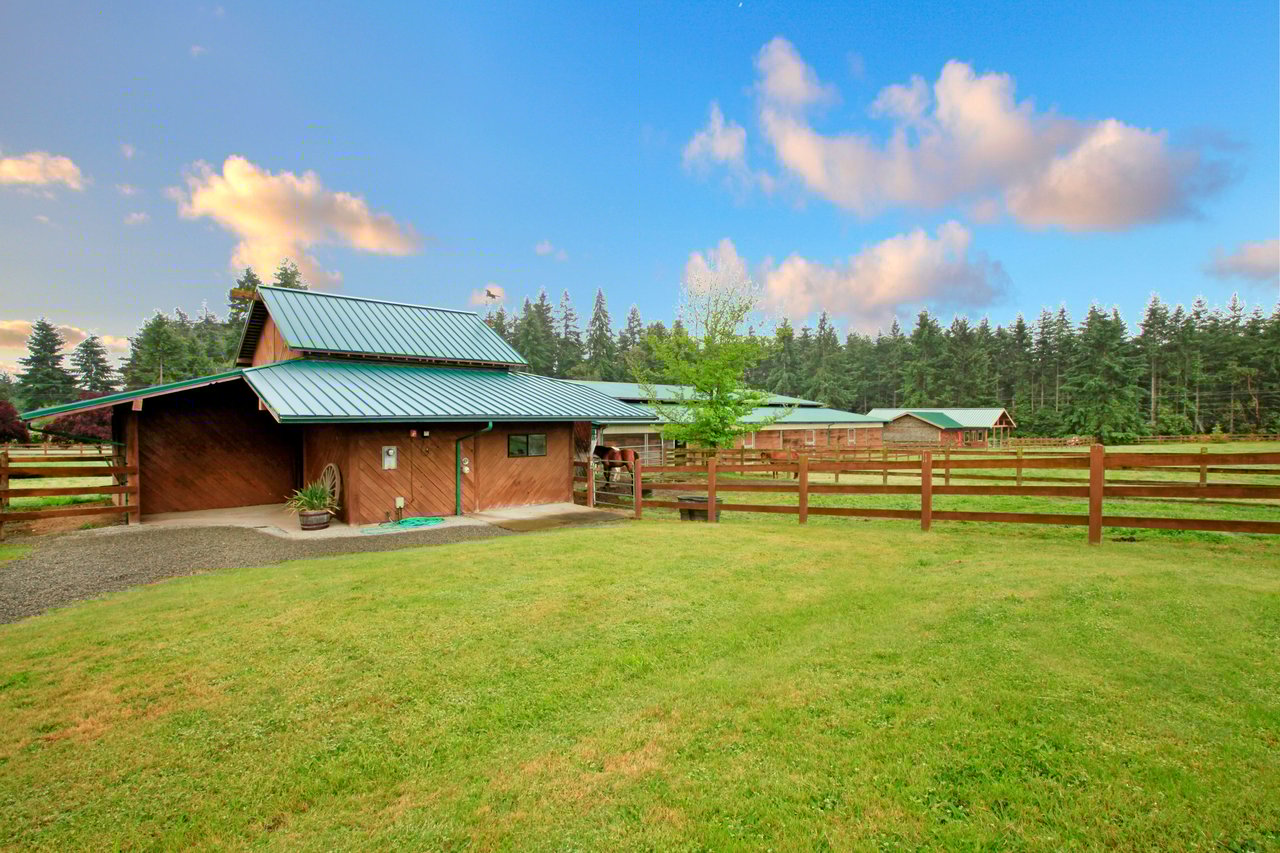
In the southern suburbs, luxury often feels more spacious and more grounded in everyday livability. Buyers are often drawn to larger residential settings, access to trails and open space, and the chance to enjoy a quieter pace without giving up access to metro Denver.
This is where the definition of luxury shifts. Instead of being centered mainly on walkability and retail, it often centers on privacy, scenery, recreation, and room to grow.
Castle Rock: Space and Outdoor Scale
Castle Rock is a strong example of suburban luxury with an outdoor focus. The town reports it manages 104 miles of trails, 25 parks, and more than 4,000 acres of open space, with partner access bringing the total to more than 6,900 acres in town, according to Castle Rock Parks, Open Space, and Trails.
That kind of access shapes daily life in a meaningful way. If your ideal luxury experience includes more room, nearby recreation, and a setting between major employment and lifestyle centers, Castle Rock may feel like a better fit.
Castle Rock also sits midway between Denver and Colorado Springs and covers 34 square miles, based on the town’s 2025 Budget Book Draft. Downtown Castle Rock is described as historic, with newer residences in Mercantile Commons, Riverwalk, and Encore, which adds variety for buyers who want different housing styles within a suburban setting.
Littleton: Historic Character and Transit Access
Littleton offers a different version of southern suburban living. City materials describe it as having a small-town feel and a historic architectural heritage, and Visit Littleton’s historic walking tour notes a downtown experience tied to landmark buildings and the Downtown Littleton light rail station.
Littleton also stands out for balancing trails with transit. The Mary Carter Greenway Trail runs 8 miles from Chatfield State Park north to Englewood, traverses 880 acres of open space, and connects to Downtown Littleton and the High Line Canal. RTD’s Littleton/Downtown Station serves the D Line, four bus routes, and a FlexRide route, making Littleton the most transit-connected southern suburb in this comparison.
Foothills Living: Scenery as Part of Daily Life
For some luxury buyers, the biggest draw is the natural setting itself. The southern foothills offer a more dramatic backdrop, with access to destinations like Roxborough State Park, which includes about 3,413 acres and 15 miles of trails, and Chatfield State Park on the southwestern edge of Denver, which covers 4,200 acres.
If you want scenery and recreation woven into your routine, the foothills story is hard to ignore. This can be especially appealing if you are relocating, seeking more privacy, or considering land and acreage options as part of your search.
Comparing Lifestyle Tradeoffs
The clearest way to frame the choice is simple. Central Denver tends to offer more walkability, dining, retail, and a more urban housing mix. The south metro and foothills tend to offer more open space, trail access, and a quieter residential scale.
That said, this is a pattern, not a hard rule. Individual neighborhoods, communities, and home types vary widely, so your best fit will depend on the specific areas and properties you explore.
A Quick Side-by-Side View
| Factor | Central Denver | Southern Suburbs and Foothills |
|---|---|---|
| Lifestyle feel | Urban and connected | Residential and spacious |
| Common luxury appeal | Dining, retail, design, access | Open space, privacy, recreation |
| Housing mix | Broader variety of urban forms | More traditional suburban settings |
| Outdoor access | Parks and city green space | Trails, open space, foothills scenery |
| Transit advantage | Stronger in-city errand pattern | Littleton stands out for rail access |
Commute May Matter Less Than You Think
Many buyers assume the commute difference will make the decision for them, but the data suggests it is often less dramatic than expected. Mean commute times are 24.9 minutes in Denver, 25.1 minutes in Littleton, and 28.6 minutes in Castle Rock, based on U.S. Census QuickFacts.
That does not mean commute should be ignored. It means the more useful question is often whether you want rail access and a shorter in-city errand pattern, or whether you are comfortable trading some travel time for more space and direct trail access.
Price Context and Buyer Profile
Citywide home value medians also show how close these markets can look at a high level. Census data lists median owner-occupied home values at $616,000 in Denver, $630,600 in Littleton, and $652,900 in Castle Rock. Again, those are citywide medians, not luxury-specific pricing guides.
Household income context also tells part of the story. Census figures show median household income of $94,718 in Denver, $98,839 in Littleton, and $145,197 in Castle Rock, which helps explain why Castle Rock remains a strong contender for buyers seeking upper-tier suburban homes.
Which Option Fits You Best?
You may prefer Denver luxury if you want your lifestyle centered on restaurants, retail, mixed-use neighborhoods, and a more urban housing mix. Buyers who value being close to downtown destinations or who want a lock-and-leave style home often lean this way.
You may prefer the southern suburbs or foothills if you want more room, easier access to trails and open space, and a quieter residential feel. This path can also be a smart fit if you are moving up, relocating, or exploring properties with land, privacy, or a stronger outdoor focus.
The best move usually comes down to your daily habits. Where do you want to spend your time, how much space do you want around you, and what kind of setting will still feel right years from now?
When you are ready to compare Denver luxury with the southern suburbs in a more personal way, Courtney Nelson can help you evaluate neighborhoods, lifestyle tradeoffs, and the right fit for your next move.
FAQs
What is the biggest difference between luxury living in Denver and the southern suburbs?
- The biggest difference is usually lifestyle. Denver luxury tends to focus on walkability, dining, retail, and urban housing options, while the southern suburbs tend to focus on space, trails, open space, and a quieter residential setting.
Is Castle Rock considered a luxury option near Denver?
- Yes. Castle Rock is a strong upper-tier and luxury contender for buyers who want more room, outdoor access, and a suburban setting between Denver and Colorado Springs.
Does Littleton offer luxury living with transit access?
- Yes. Littleton stands out in this comparison because it combines a historic downtown feel, trail access, and service from the RTD Littleton/Downtown Station.
Are commute times much shorter if you live in Denver instead of the southern suburbs?
- Not always. Census data shows mean commute times of 24.9 minutes in Denver, 25.1 minutes in Littleton, and 28.6 minutes in Castle Rock, so the difference may be smaller than many buyers expect.
Is Denver or the southern suburbs better for buyers who want more outdoor access?
- In general, the southern suburbs and foothills offer more direct access to trails, open space, and larger natural areas, while Denver offers more city parks and urban green space.