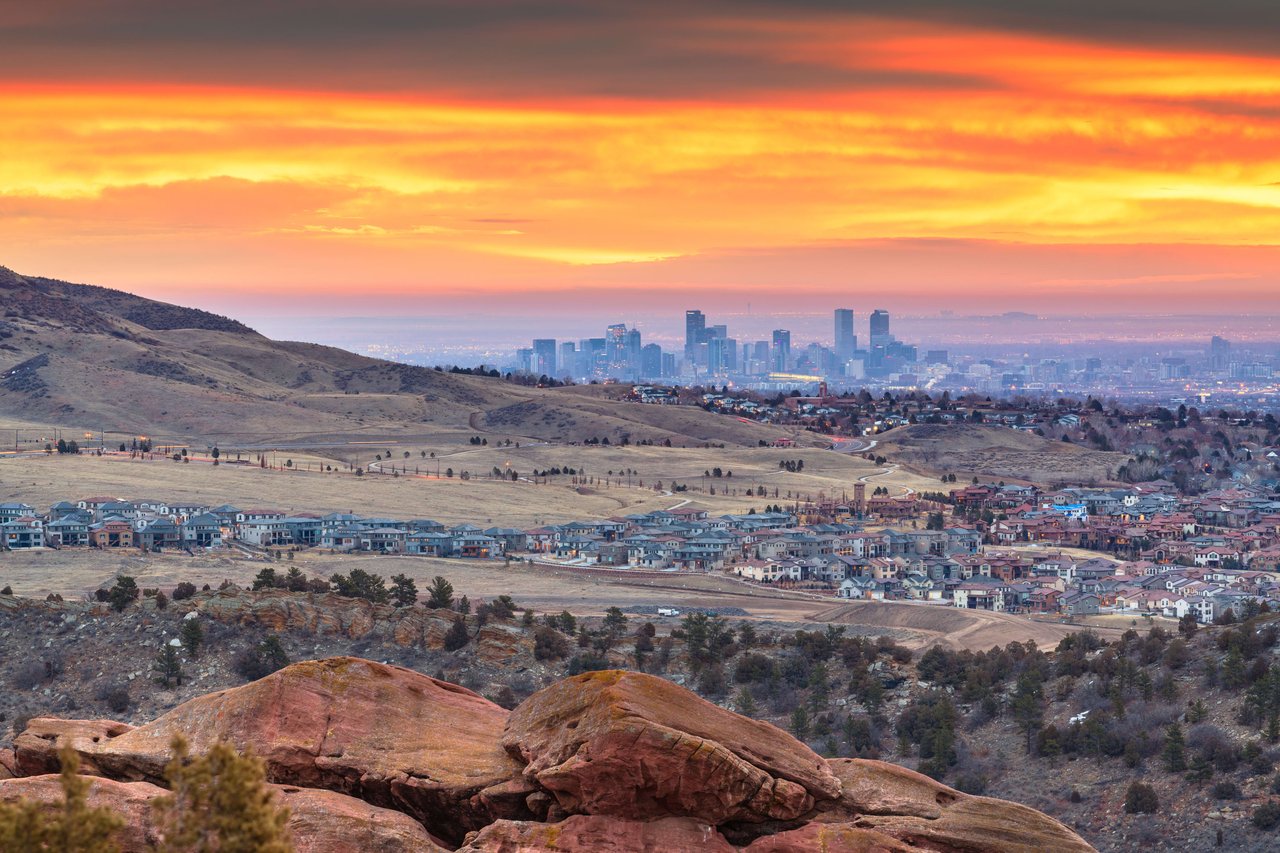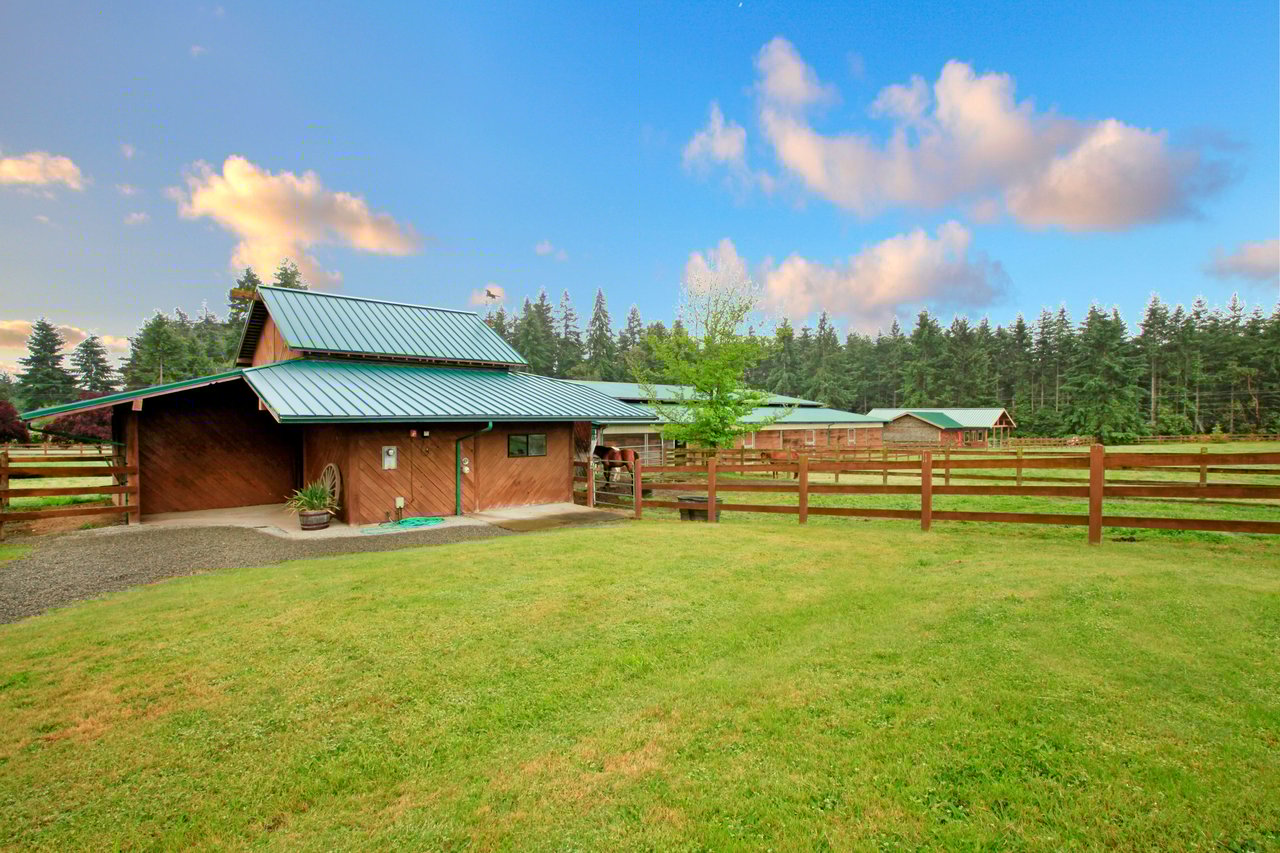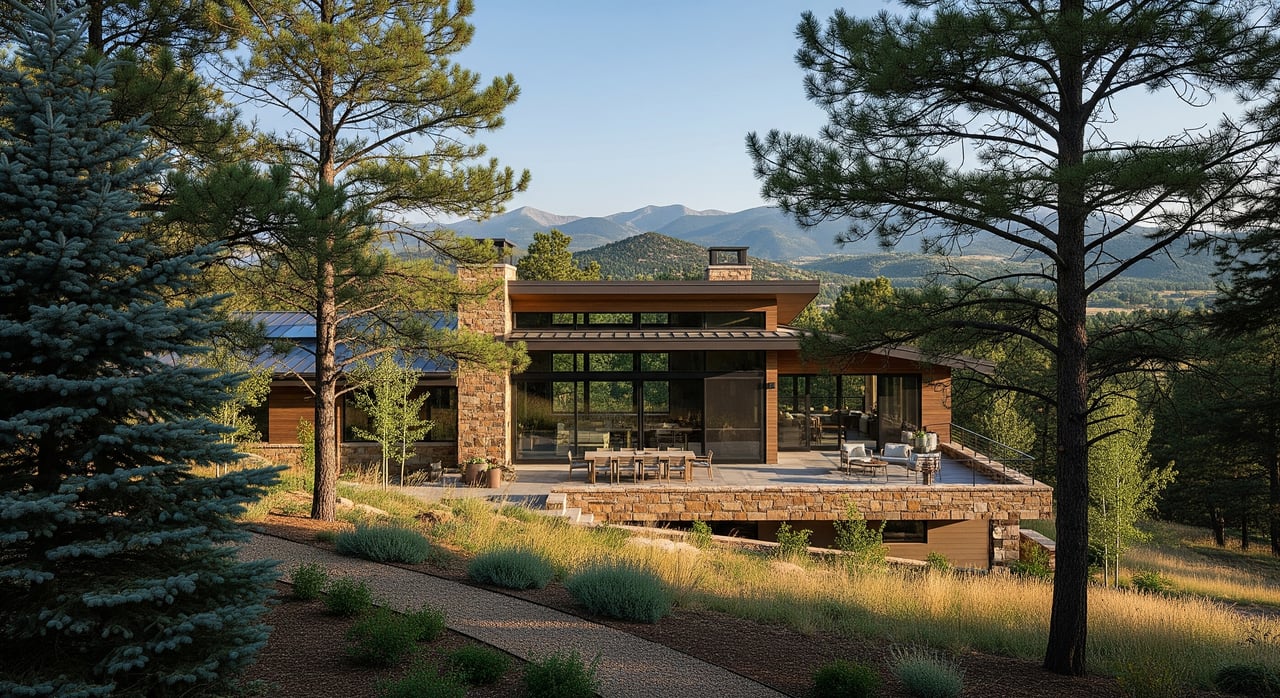
Torn between Evergreen and Conifer for a foothills move from Denver? You want trees, trails, and privacy without giving up practical commutes and year-round access. This guide shows you the real-life differences that matter day to day, from lot sizes and trailheads to winter plowing and internet options. You will leave with a clear short list and next steps to find your fit. Let’s dive in.
Evergreen vs. Conifer at a glance
- Evergreen: A town-centered experience with a defined core, more walkable amenities, and quick access to lakeside trails and open space. Lots close to town tend to be smaller, with larger parcels as you move outward.
- Conifer: A more rural, dispersed setting with larger average parcels, greater privacy, and services spread across smaller commercial nodes. Many homes sit near National Forest or state-managed recreation areas.
- Both: Wooded foothills terrain, mixed-age housing stock, and a lifestyle shaped by four-season recreation, sloped lots, and county-level services.
Terrain, lots, and utilities
Terrain and microclimate
You are in true foothills country in both places. Expect rolling to steep slopes, dense conifer stands, and elevation-driven microclimates that are colder and snowier than Denver. Sun exposure, drainage, and tree cover can change from one street to the next. The specific parcel topography influences build options, grading costs, and ongoing maintenance.
Lot sizes and parcel character
- Evergreen: Near the town center, lots are often under 1 acre with a wooded, neighborhood feel. Outlying areas open up to 1–5 acres or more, offering greater privacy and a more secluded setting.
- Conifer: Larger parcels are common. Many lots are 1 acre or more, with numerous multi-acre properties. Driveways and private roads are frequent, and some neighborhoods border National Forest or private open land.
Utilities and services checklist
- Water and sewer: You will see a mix of municipal or district service in town cores and some subdivisions, plus private wells and septic systems on rural parcels. Confirm water source, any water rights, sewer availability, and septic inspection requirements.
- Electricity and communications: Overhead lines are common on forested streets. Power reliability can differ from urban areas. Broadband varies by address, from fiber or fixed wireless to DSL or satellite. Verify at the parcel level before you buy.
- Permitting and siting: Steep slopes, set-backs, drainage controls, and tree-protection rules affect building and remodeling plans. County regulations apply based on zoning and whether a property lies in a metro district or unincorporated area.
Community vibe and amenities
Evergreen town-center feel
Evergreen offers a stronger town-center dynamic with shops, restaurants, cultural venues, and Evergreen Lake as a focal point. Many neighborhoods sit within a short drive of everyday retail and community events. If walkable amenities and frequent in-town activities are high on your list, Evergreen aligns well.
Conifer rural pace
Conifer is more dispersed and rural. You will find basic services and local businesses, but they are spread out compared with Evergreen. Many residents choose Conifer for larger lots, privacy, and quick reach to bigger natural areas for recreation.
Schools and local services
Both communities are served by Jefferson County Public Schools. School assignments vary by address. Confirm the specific schools that serve your property and review enrollment steps directly with the district.
Trail access and outdoor recreation
Evergreen access pattern
Evergreen shines for town-proximate trail networks and parks. Lakeside trails and nearby open-space areas support hiking, running, and mountain biking, often within minutes of residential neighborhoods. This is ideal if you want quick, after-work outings.
Conifer access pattern
Conifer’s trailheads are more dispersed. You will likely drive to a variety of access points that connect to state parks, National Forest areas, and forest roads. The payoff is a wide range of hiking, biking, fishing, and equestrian options across larger landscapes.
Year-round activities
In both areas, you can enjoy four-season fun: hiking, trail running, mountain biking, and winter activities like cross-country skiing and snowshoeing at higher elevations. Trailhead parking and regulations vary based on whether you are in town-adjacent open space or state and federal lands.
Home types and build eras
Common styles you will see
- Historic cabins and wood-sided cottages that have been renovated for modern living.
- Ranch and split-level homes on foothill lots from the 1950s to 1970s.
- Mountain-modern and contemporary custom homes, plus larger log or timber-frame builds from the 2000s to present.
- Manufactured and modular homes appear in some neighborhoods, more frequently in rural parts of Conifer.
Renovation and maintenance realities
Older cabins and mid-century homes may need upgrades for insulation, HVAC, and plumbing that perform well in mountain conditions. Newer custom homes often feature engineered foundations for sloped sites, modern materials, and site-specific drainage solutions. Always assess roof condition, snow-load considerations, and water management around the home.
Commute and winter access
Primary routes
- Evergreen: Many commuters use CO‑74 to connect with the I‑70 corridor or other county roads that feed into Denver-area highways.
- Conifer: US‑285 is the main corridor to the Denver metro for most residents.
Choose your home location with your preferred corridor in mind. Route options and congestion patterns vary.
Commuter tips to test now
- Drive the route during peak hours to see true travel times.
- Repeat the drive during winter conditions to gauge consistency.
- Consider how your employer location interacts with CO‑74/I‑70 versus US‑285, especially during storms.
Winter maintenance and planning
State highways like US‑285 and CO‑74 are maintained by the state. County roads are maintained by Jefferson County, while some private roads and driveways rely on HOAs or private road associations. Many homeowners hire private plow services, especially for long or steep driveways. Plan for appropriate vehicles, snow tires, and storage for snow-removal tools.
Service providers you will rely on
Who you may need
- Snow-removal contractors or HOA/private-road plow services
- Tree care and forestry services
- Septic inspection and pumping services
- Well drilling and maintenance (where applicable)
- HVAC and propane or fuel suppliers
- Chimney sweeps and fireplace specialists
- Electricians and contractors experienced with mountain sites
- Broadband and ISP providers that serve your address
- Pest and wildlife-exclusion services
How to vet providers
Check applicable county licensing and registration. Talk with neighbors or community groups for referrals to crews who know foothills conditions. Confirm insurance, equipment capability for steep terrain, and expected emergency response.
Quick decision guide
- Choose Evergreen if you want town-centered amenities, more walkable options, and fast access to lakeside and nearby open-space trails. Expect smaller lots near the core and larger parcels as you push outward.
- Choose Conifer if you prioritize acreage, privacy, and proximity to larger natural areas. Expect more driving to trailheads and services, plus common use of private roads and longer driveways.
- In both areas, verify utilities, internet speeds, road maintenance responsibilities, and driveway logistics before you make an offer.
Smart next steps
- Test your commute on your likely route in peak and winter conditions.
- Confirm water source, sewer or septic status, and any related inspections.
- Check broadband options by address and mobile coverage on your carrier.
- Review slope, sun exposure, drainage, and tree cover on the specific lot.
- Line up snow removal, tree care, and heating fuel plans ahead of winter.
If you want a foothills home that fits your lifestyle and your commute, partner with a local expert who understands land, utilities, and seasonal realities. Reach out to Courtney Nelson to compare neighborhoods, verify property details, and move forward with confidence.
FAQs
What is the main lifestyle difference between Evergreen and Conifer?
- Evergreen offers a town-centered experience with denser amenities and quick in-town trail access, while Conifer provides larger parcels, more privacy, and a dispersed rural feel.
How do commutes differ for Evergreen and Conifer residents?
- Evergreen commuters typically use CO‑74 to connect with the I‑70 corridor, while Conifer commuters rely on US‑285; test both routes during rush hour and winter.
Are wells and septic systems common in these foothills communities?
- Yes, especially on larger and more rural parcels; confirm whether a specific home is on municipal or district service or uses a private well and septic.
Who handles snow removal on roads and driveways in winter?
- State highways are maintained by the state, county roads by the county, and private roads or driveways by HOAs or private contractors; many owners hire plow services.
What types of homes are typical in Evergreen and Conifer?
- You will see historic cabins, mid-century ranch and split-level homes, and newer mountain-modern or timber-frame builds, with manufactured homes more common in rural areas.
How reliable is internet service for work-from-home needs?
- Broadband availability varies by address, from fiber or fixed wireless to DSL or satellite; confirm options and speeds at the specific property before you buy.