Dreaming of a little more elbow room and a place to keep your horses close to home? If Conifer’s pines and open skies are calling, you’re not alone. Buying acreage in the foothills is rewarding, but it is very different from buying a suburban home. In this guide, you’ll learn exactly what to check in Conifer when it comes to zoning for horses, wells and septic, access, wildfire, and nearby trail use. Let’s dive in.
Why Conifer works for horse buyers
Conifer is an unincorporated community in Jefferson County, Colorado, known for cabins, ranch-style and custom homes on larger parcels. Many properties marketed as acreage range from 1 to 10-plus acres, with some bigger parcels available. Privacy, trees, and adjacency to open space are common draws.
You also have convenient access to Jeffco Open Space parks like Flying J Ranch and Meyer Ranch, plus nearby Staunton State Park. These areas offer multi-use trails that many riders enjoy. Always confirm the specific trail rules, trailer parking, and any seasonal restrictions before you plan public-land riding. You can start by reviewing the county’s park info for Flying J Ranch on the Jeffco Open Space page.
Zoning and horses: what’s allowed
Whether you can keep horses on a property in Conifer depends on the property’s Jefferson County zone district and any planned development overlays or HOA covenants. Jefferson County publishes a concise table that lists permitted animals by zone, including minimum lot sizes, required open space per animal, and per-acre maximums. Review the Domestic Animals permitted table, then match it to the property’s official zoning.
Barns and equine structures usually require building permits. Small loafing sheds may have different thresholds than full barns, and setbacks or accessory-size limits can vary by zone. If you plan to add or modify a driveway, build a barn, or grade a pad, contact Planning and Zoning and review county rules on Jeffco’s Outside the Home page.
Wells, water rights, and permitted use
In Colorado, the Division of Water Resources (DWR) issues well permits and administers water rights. Counties review building and septic permits, but not the water-right substance. Before you go under contract, pull the DWR well permit file and the driller’s log for the property. Learn more about permits and records search on the DWR well permitting page.
Many mountain homes use domestic exempt wells. These often have a maximum pump rate of up to 15 gallons per minute and come with strict use and volume limits. Some allow watering of domestic animals and very limited irrigation, but commercial uses like boarding may not be allowed under an exempt permit. If you plan irrigation or any commercial activity, you may need an augmentation plan or a different water-right setup. As part of due diligence, add an independent pump test and lab water-quality test to your contract.
Septic: a time-of-sale requirement
Most acreage homes in Conifer use individual septic systems. Jefferson County requires a time-of-sale on-site wastewater use permit in many transfers. A certified inspector must complete the inspection and submit standard forms. Failing systems typically must be repaired, or the sale should include a documented repair agreement. Build in time for septic inspections and potential upgrades. You can find program details and typical steps in the Jeffco On-Site Wastewater FAQ.
Access, roads, and winter reality
Confirm legal and physical access early. Is the driveway on a county-maintained road, a private road with a recorded maintenance agreement, or an easement across a neighbor’s land? If you are creating or modifying a driveway that connects to a county road, Jefferson County requires an Access Permit and inspections. In the Conifer area, Road and Bridge operations oversee standards, culverts, and final approvals. Start with the county guidance on driveways and access and verify who is responsible for winter plowing.
Also confirm utilities. Some foothills areas experience weather-related outages. Review county guidance on wind and outage preparedness to set expectations and plan backups using Jeffco’s extreme wind and power outage information.
Wildfire and defensible space
Much of Conifer is within the Wildland Urban Interface. If you plan new construction, replacements, or certain additions, Jefferson County may require a Defensible Space Permit and inspection by a county-approved forester. Budget for tree work, slash removal, and structure-hardening to meet inspection standards. Read about defensible space permits on the county’s Other Permits page.
Equestrian infrastructure essentials
Barns, sheds, and grading
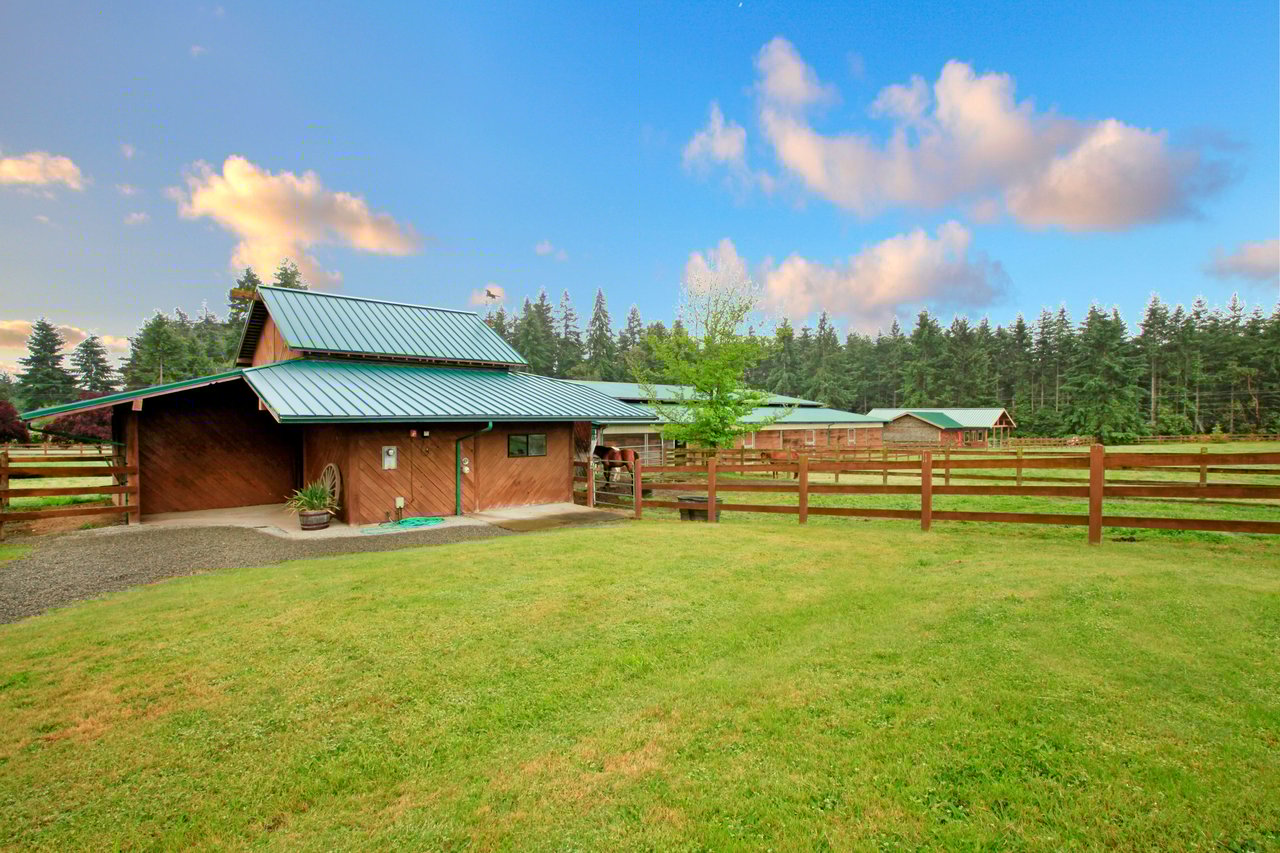
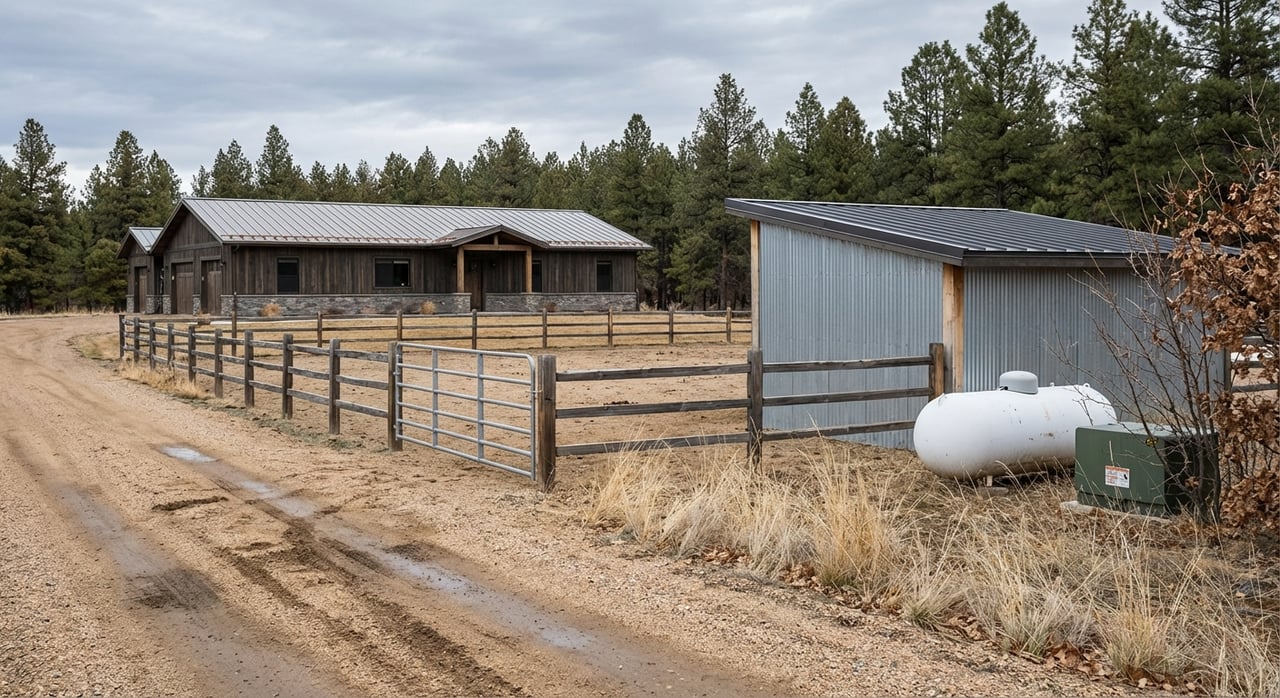
Barns typically require building permits and must meet setbacks. On steeper lots, barn pads and driveways can trigger grading or erosion reviews. Smaller loafing sheds may be treated differently than full barns, but you should still verify thresholds. When in doubt, call Planning and Zoning and start with Jeffco’s Outside the Home resource.
Fencing and usable acreage
Post-and-rail, pipe, and safe electric fencing are all common choices. Terrain matters as much as lot size. Slope, rocky soils, and tree cover can limit usable pasture. The county’s animal table sets regulatory limits, but actual carrying capacity depends on forage, slope, and weed or brush conditions. Review the Domestic Animals permitted table and walk the land to assess real turnout potential.
Water for animals year-round
A domestic exempt well may allow watering of domestic animals, but always confirm the permit’s exact language. If you plan boarding or training as a business, you will likely need a different solution or an augmentation plan. Winter is its own test in the foothills. Plan for freeze protection at troughs and evaluate well yield. Add a pump test to your contract and confirm permitted uses through the DWR well permitting portal.
Manure management and neighbors
Manure storage, composting, runoff, and odor are practical issues to address in your site plan. Storage locations must respect setbacks and fire-safety guidelines. Some neighborhood covenants may add more rules. Review county standards for accessory uses and grading on Jeffco’s Outside the Home page and build a simple manure-management plan before you commit.
On-property riding vs. public trails
Owning acreage is not the same as having legal access to public trails. Conifer residents often haul to Flying J Ranch, Meyer Ranch, or nearby Staunton State Park. Confirm trail use days, parking, and closures before you go. Start with the Flying J Ranch Park info and check rules for any park you plan to ride.
Your Conifer acreage due-diligence checklist
Use this list to structure your offer and contingencies:
- Zoning and animals: Confirm the legal description, zone district, and any PD/ODP or HOA covenants. Verify animal allowances and accessory-structure rules using the county’s Domestic Animals table.
- Access: Verify recorded legal access and who maintains the road. If you need a new or modified driveway to a county road, review Access Permit steps on Jeffco’s Outside the Home page.
- Wells and water: Request the well permit number and driller’s log, then pull the DWR file. Order an independent pump test and lab water-quality test as contract contingencies. Start with the DWR well permitting page.
- Septic: Obtain the county use-permit history, schedule a qualified inspection, and meet the time-of-sale use permit requirement. See the Jeffco septic FAQ.
- Wildfire: Check if the property sits in the Wildland Urban Interface and whether a Defensible Space Permit will be needed for planned work. See Other Permits.
- Survey and boundaries: Order a current boundary or ALTA survey to confirm usable pasture, setbacks for barns and septic, and any encroachments.
- Utilities and connectivity: Confirm electric and gas availability, propane service if needed, and internet options at the address. Check local options using BroadbandNow’s Conifer page and review county outage-readiness guidance at Extreme Wind and Power Outage Information.
- Title and easements: Review for access, drainage, conservation, or trail easements that could affect fencing or future improvements.
- Vendor inspections: Line up a well contractor or hydrogeologist, septic engineer, land surveyor, and a county-approved forester if you will need a defensible-space inspection.
Expect that permits, septic design or repairs, and water-rights work can extend timelines. Acreage deals often take longer than a typical metro single-family transaction, so plan your closing accordingly.
How Courtney helps you buy with confidence
Buying acreage requires a practical plan and the right team. With 20 years of experience and 350-plus closed transactions, Courtney brings land and acreage expertise, relocation support, and a vetted foothills vendor network to your search. You will get clear guidance on zoning, water and septic, and access, plus introductions to surveyors, septic pros, well experts, and foresters who know Jefferson County standards.
From first showing through closing, Courtney builds strong contingencies, keeps inspections on track, and negotiates with your long-term goals in mind. Ready to find the right acreage and set your horses up for success? Reach out to Courtney Nelson to get started.
FAQs
What parcel sizes are common for Conifer horse properties?
- Many acreage listings range from 1 to 10-plus acres, with larger parcels available but less common.
How do I know how many horses a Conifer property can support?
- Check the property’s Jefferson County zone and the county’s Domestic Animals table for per-lot and per-acre limits, then assess actual pasture and terrain.
Can I run a boarding business on a domestic well in Conifer?
- Often no. Many domestic exempt wells limit use and volume. Commercial boarding can require augmentation or a different water-right setup.
What inspections should I include for wells and septic?
- Add an independent pump and yield test, a lab water-quality test, and a qualified septic inspection with the county’s time-of-sale use permit.
Who maintains mountain roads and handles winter plowing?
- It varies. Some roads are county maintained and others are private with recorded maintenance agreements. Verify responsibility before you buy.
Do I automatically have trail access if my land backs to open space?
- Not always. Private land and public land have different rules. Confirm legal access and review park-specific equestrian rules and parking options.